
Poverty Simulation Encourages Empathy and Collaboration at Saint Francis University
Learning Through Experience
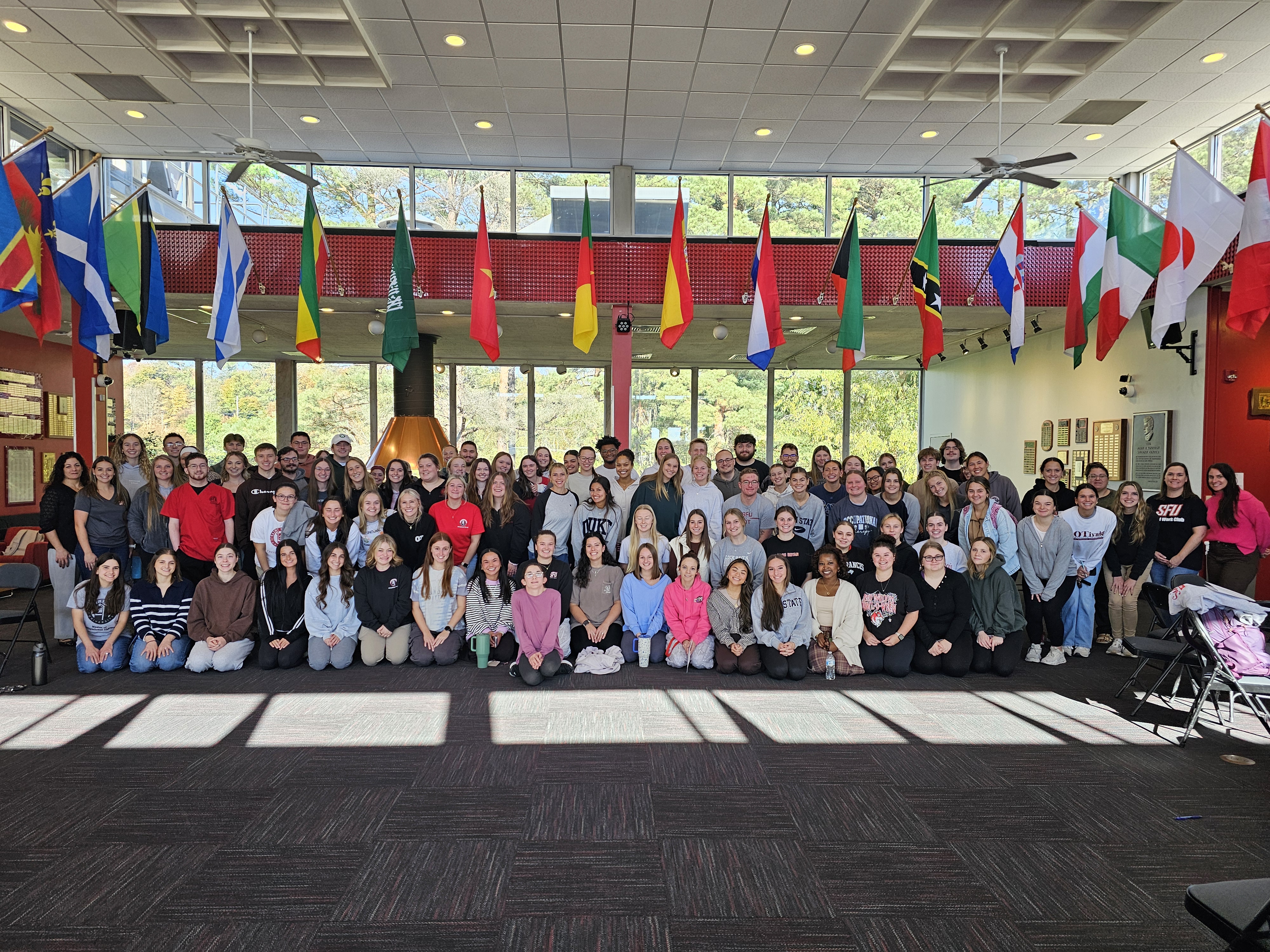
On Friday, October 23, 2026, students and faculty gathered in the JFK Student Center for Saint Francis University’s Poverty Simulation Event. Bringing together participants from nursing, physical therapy, social work, occupational therapy, and public health, the event offered a shared opportunity to examine the challenges facing individuals and families experiencing poverty.
The interdisciplinary experience connected classroom learning with situations that future healthcare and social service professionals may encounter, encouraging students to consider the circumstances that shape a person’s daily decisions.
Understanding Everyday Challenges
Throughout the simulation, students navigated scenarios involving housing, healthcare, family responsibilities, and limited resources. Participants were asked to consider how meeting one urgent need can affect the ability to meet another.
These exercises illustrated the difficult choices associated with financial hardship and provided a starting point for reflection on the stress and uncertainty that can accompany those decisions.
Recognizing the Whole Person
The event emphasized the importance of understanding poverty’s effects on physical, emotional, and mental well-being. For students preparing to work in healthcare and social services, that perspective encourages more thoughtful approaches to care.
Looking beyond an immediate concern to consider a person’s resources, responsibilities, and access to support can help future professionals respond with compassion. The simulation invited students to examine those connections and reflect on the assumptions they may bring to their work.
Working Across Disciplines
By bringing several academic programs together, the event highlighted the role of collaboration in responding to complex needs. Nursing, physical therapy, social work, and public health each contribute a different perspective on the relationship between health and a person’s circumstances.
Learning alongside peers from other fields offered students an opportunity to consider how coordinated care and clear communication can support individuals and families. It also reinforced the value of understanding the services and expertise available across professions.
Putting Franciscan Values Into Practice
Rooted in Saint Francis University’s Catholic, Franciscan mission, the Poverty Simulation connected professional preparation with respect for human dignity and a commitment to service. The experience encouraged students to reflect on how they can carry those values into their future careers and community involvement. Through opportunities like this, Saint Francis University helps students connect what they learn in the classroom with the responsibility to listen, serve, and care for others.
Scenes from the 2026 Poverty Simulation